Reducing CRC Burden and Optimizing Site Operations with Innovative Clinical Trial Solutions

Clinical Research Coordinators (CRCs) are often the first point of contact for participants, guiding them through every step of a study. From screening to consent management and recruitment to protocol compliance, CRCs handle a broad and evolving set of responsibilities.
A 1996 study identified over 128 distinct tasks performed by CRCs during a single trial. Since then, the complexity of clinical research has only grown—with tighter timelines, expanding data needs, and increased regulatory demands. Many CRCs manage multiple studies simultaneously, often with limited resources.
To ease this burden, many sites are adopting tools that simplify recruitment and improve coordination. At TrialX, we’re dedicated to supporting research teams with solutions such as our patient recruitment management platform and remote research data collection platform— that help reduce their operational load, so study coordinators can focus on what matters most: participant care and study integrity.
In this blog, we look more closely at the challenges CRCs face and explore tools that can help lighten their load.
Challenge 1: Screening Bottlenecks
Screening is one of the most time-consuming CRC tasks, involving manual checks of lab results, medical histories, and strict eligibility criteria—often under tight timelines. In a report on site staff burden, screening was rated 3.00 out of 5 in terms of frustration. The challenge isn’t just the workload—it’s the emotional strain of spending time and energy on participants who may not ultimately qualify, delaying their reach to a relevant clinical trial.
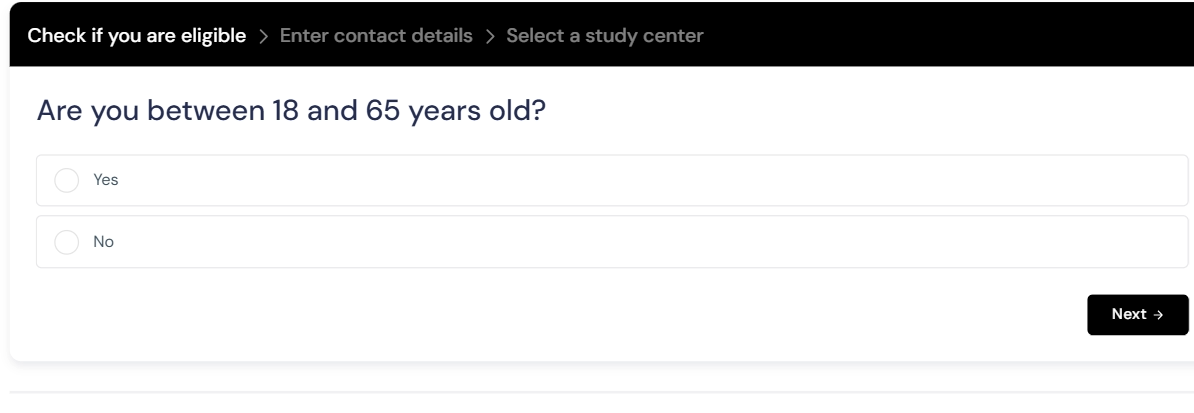
This is where TrialX’s prescreening and recruitment tools can help. Using digital pre-screeners embedded on study websites and study pages, CRCs can capture initial eligibility criteria upfront, reducing the number of non-eligible patients. Study teams can create different types of pre-screeners to support any recruitment flows— building questionnaires with a variety of question types, including branching logic, setting exclusion criteria, and specifying those who can be re-screened later.
Challenge 2 – Scheduling
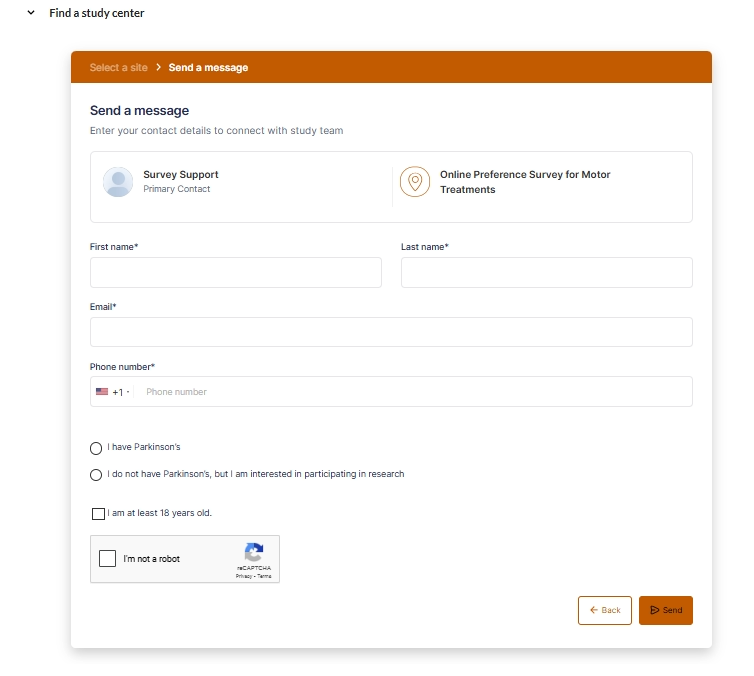
Scheduling integrations helps reduce coordination delays. Recent enhancements in our patient recruitment management system make scheduling smoother and more flexible for both patients and site teams. Trial sites can now set and share their availability with patients, who can pick a convenient time slot during the referral process. Site staff can confirm or adjust the slot via email or the referral page, and both parties receive a confirmation email once it’s finalized. Participants can select their preferred location and easily reach out to the study center via email or phone.
While these tools improve operational flow, their impact goes deeper. In our recent “Unsung but Impactful” interview series, Kayleigh Greenwood, Patient Engagement Specialist at The Michael J. Fox Foundation, reflected on the real-world meaning behind streamlining access to trials:
“Anytime someone finds a clinical trial that excites them (or their spouse/family member/care partner) enough to submit their information to a study team and sign up to participate is always when I feel most proud. I love knowing there’s a tool out there that I play a part in managing that helps people find research opportunities—and that it works!”
By identifying qualified participants earlier in the process, CRCs can focus their efforts on those most likely to enroll, saving time and reducing burnout.
Challenge 3: Administrative Overload During Initial Visits
The initial participant visit sets the tone for the trial but often comes with a heavy administrative burden. CRCs must guide participants through the trial information and consent forms, collect baseline data, and ensure everything aligns with Good Clinical Practice (GCP)—often making these visits longer than expected.
Our platform helps ease this process by allowing participants to review materials online ahead of time, in a language simplified to an 8th-grade level and in the language they prefer. Features like embedded videos or audio explain complex concepts more clearly, helping participants feel confident and informed. For sites with multiple coordinators or call centers, custom call scripts with checkbox-based logic ensure consistency and minimize errors during verbal screening.
Challenge 4: Balancing Multiple Clinical Trial Protocols Across a Single Site
At many trial sites—especially those running multiple industry-sponsored studies—CRCs often juggle numerous protocols at once. Each comes with its own criteria, timelines, documentation formats, and sponsor communications, making coordination complex and time-consuming.
Without a centralized system, CRCs often find themselves toggling between spreadsheets, binders, and sponsor portals. This fragmented approach not only increases the administrative burden but also elevates the risk of delays, miscommunication, or protocol deviations.
TrialX’s patient recruitment management platform functions as a centralized hub for all recruitment and enrollment activities across active studies. CRCs can log in to a single platform and view the entire enrollment pipeline, including referral sources, current participant statuses, and a list of studies with protocol details. Key features like referral tracking enable site staff to follow the full journey of a potential participant—from initial interest or outreach to screening and enrollment—across multiple trials. Meanwhile, built-in analytics dashboards help CRCs and site managers spot slow-moving studies, identify bottlenecks, and prioritize resources accordingly.
Challenge 5: Travel Burden and Missed Visits
For many participants, balancing study visits with work, caregiving, or travel can be difficult—often leading to missed appointments that increase CRC workload.
To reduce this burden, more sites are adopting hybrid and decentralized models. Our remote research data collection platform enables telehealth visits, ePRO submissions, and wearable integrations—making it easier for participants to stay engaged from home while allowing CRCs to monitor compliance and follow up in real time.
Reflecting on this shift, Krista Goedel, Digital Content Lead at SanofiStudies.com, shared:
“Technological advances have empowered patients to independently research clinical trials. The rise of at-home testing and wearable devices has expanded study accessibility, enabling broader participation. As medical research evolves, the need for engaged study participants remains crucial to advancing healthcare.”
Decentralized trials have shown up to 89% retention rates, compared to 60% in traditional models—highlighting how flexibility improves both participant experience and study continuity.
Challenge 6-Disconnected Recruitment Campaigns
Recruitment campaigns are hard to measure, often fragmented, and rarely localized for the sites actually doing the work. That’s a common frustration among CRCs and study teams. While digital outreach has advanced recruitment, site staff are often left managing scattered leads, generic sponsor ads, and time-consuming follow-ups.
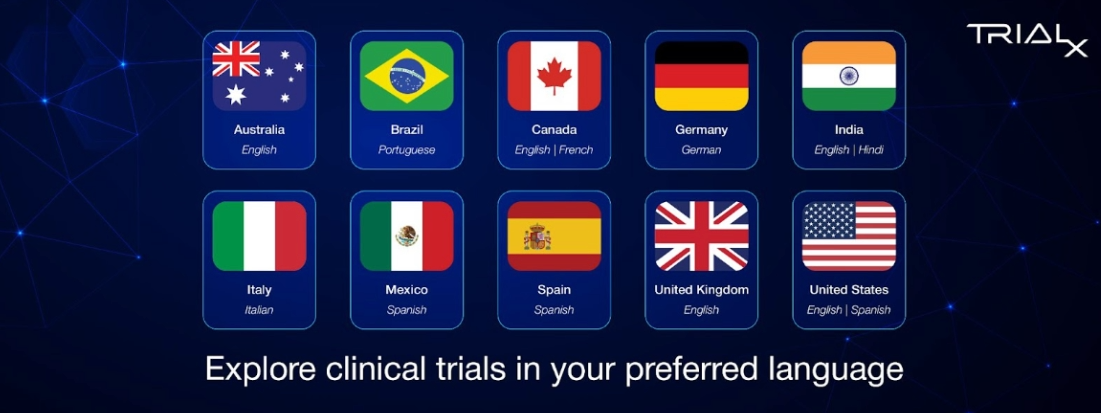
With our platform, study teams can launch localized campaigns—via email, social media, or banners—tailored in both language and messaging from a single dashboard. With AI-assisted tools, they can also generate patient-friendly content in multiple languages.
Each campaign can be associated with trackable links and phone numbers, so sites can see exactly where referrals are coming from and which channels are performing. This helps CRCs prioritize patients who are more likely to qualify and engage.
Study teams can also re-engage patients from the volunteer registries using filters like condition, location, race/ethnicity, or language. And with real-time dashboards, every outreach effort is measurable, turning recruitment into a streamlined, data-driven process that adapts to each site’s recruitment data—helping teams adjust outreach based on enrollment progress, challenges, and participant needs.
A Coordinated CRC is an Empowered Site
With our innovative patient recruitment management and remote research data collection platform, we strive to help reduce burden on CRCs and sites. With streamlined workflows, sites can improve data quality, enhance the participant experience, and help studies reach recruitment goals.
Interested in how TrialX can support your study team? Contact us here.