How Guided Search Is Helping the Celiac Disease Community Find Relevant Clinical Trials
Every March, Autoimmune Awareness Month highlights nearly 140 conditions affecting around 50 million people in the United States—many of which remain underdiagnosed and not fully understood, often leaving patients to navigate long and uncertain paths to diagnosis and care.
Celiac disease is one such serious autoimmune disorder where eating gluten (a protein found in wheat, barley, and rye) triggers an immune response that damages the small intestine. Affecting about 1 in 100 people worldwide, it is still frequently missed or diagnosed late due to its wide range of symptoms, or sometimes none at all. For many, getting a diagnosis can take 6–10 years, and even after that, managing the disease isn’t always straightforward, with some individuals continuing to experience symptoms even on a strict gluten-free diet.
Despite these challenges, organizations like Beyond Celiac are working to address the gap. Founded in 2003 by Alice Bast, the organization focuses on reducing time to diagnosis and advancing research toward a cure. As part of this effort, we at TrialX are proud to support Beyond Celiac through our AI-powered global clinical trial finder—helping connect patients and caregivers to relevant celiac research studies.
There is currently no approved treatment beyond a strict, lifelong gluten-free diet, so ongoing research and clinical trial participation remain critical to advancing care.
Making Trial Discovery Simpler for the Celiac Community with an AI-Powered Clinical Trial Finder
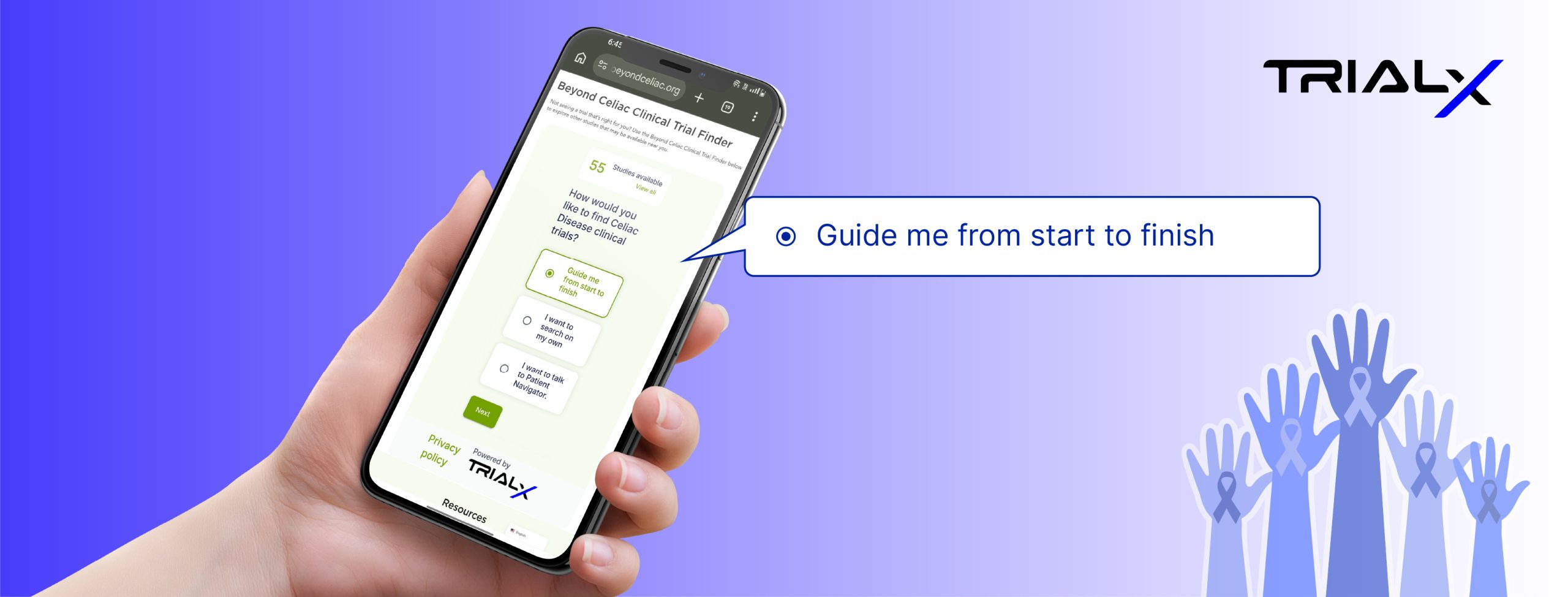
To help address the disconnect between available research and patient awareness, the Beyond Celiac Clinical Trial Finder, powered by TrialX, is designed to make clinical trial information easier to navigate. The finder offers three primary ways to explore studies:
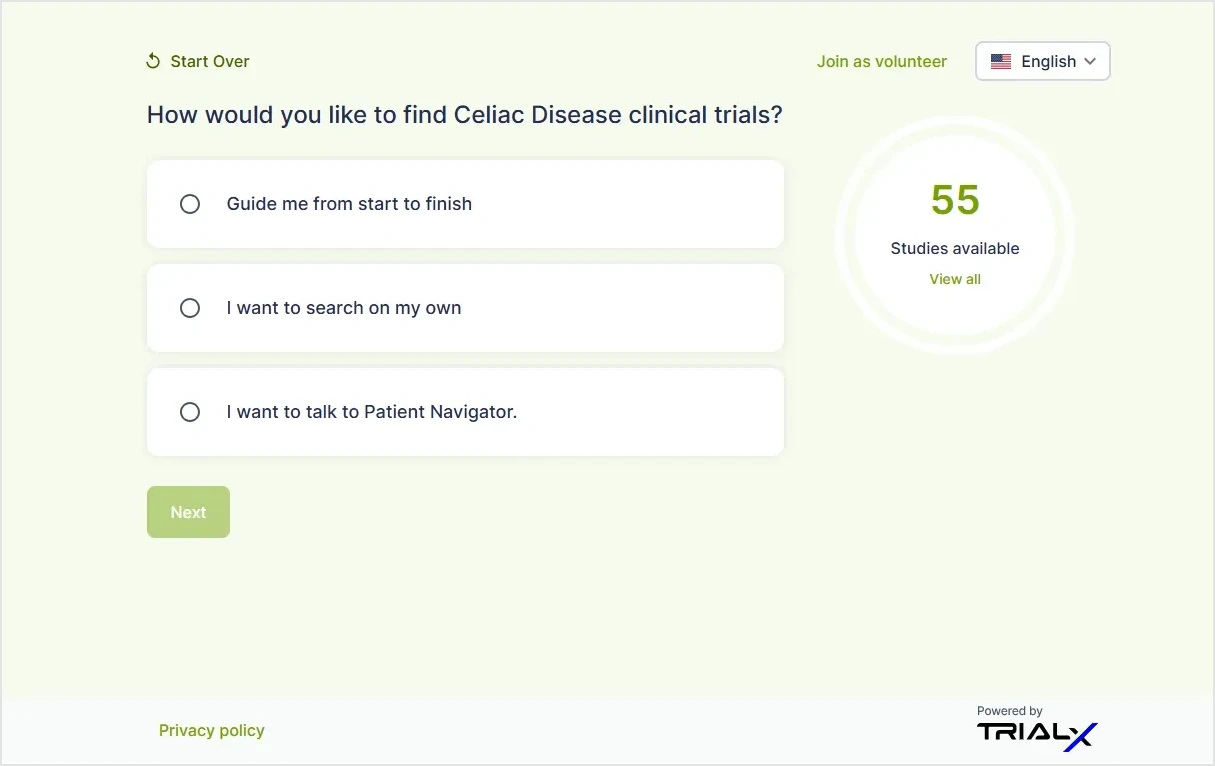
Guided Search: A Step-by-Step Way to Find Relevant Clinical Trials
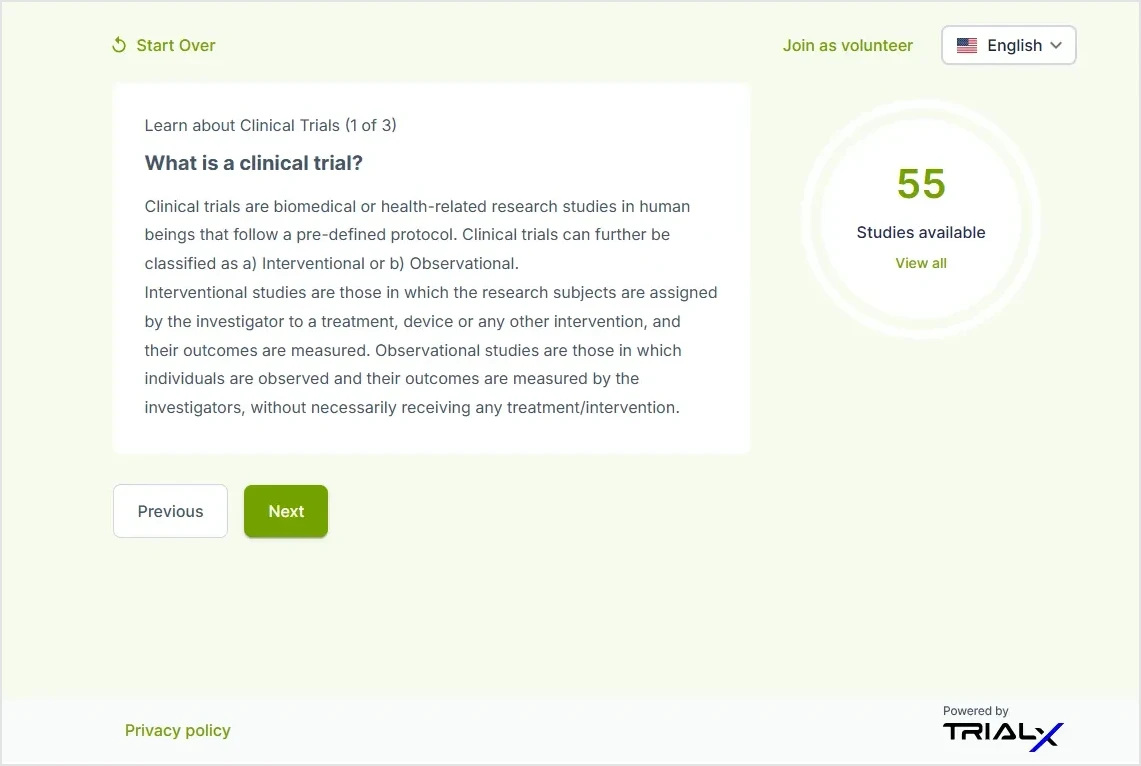
The guided search begins with short, easy-to-understand information about clinical trials and what participation may involve. There is also an option to learn more through a resource page that explains potential risks and benefits.
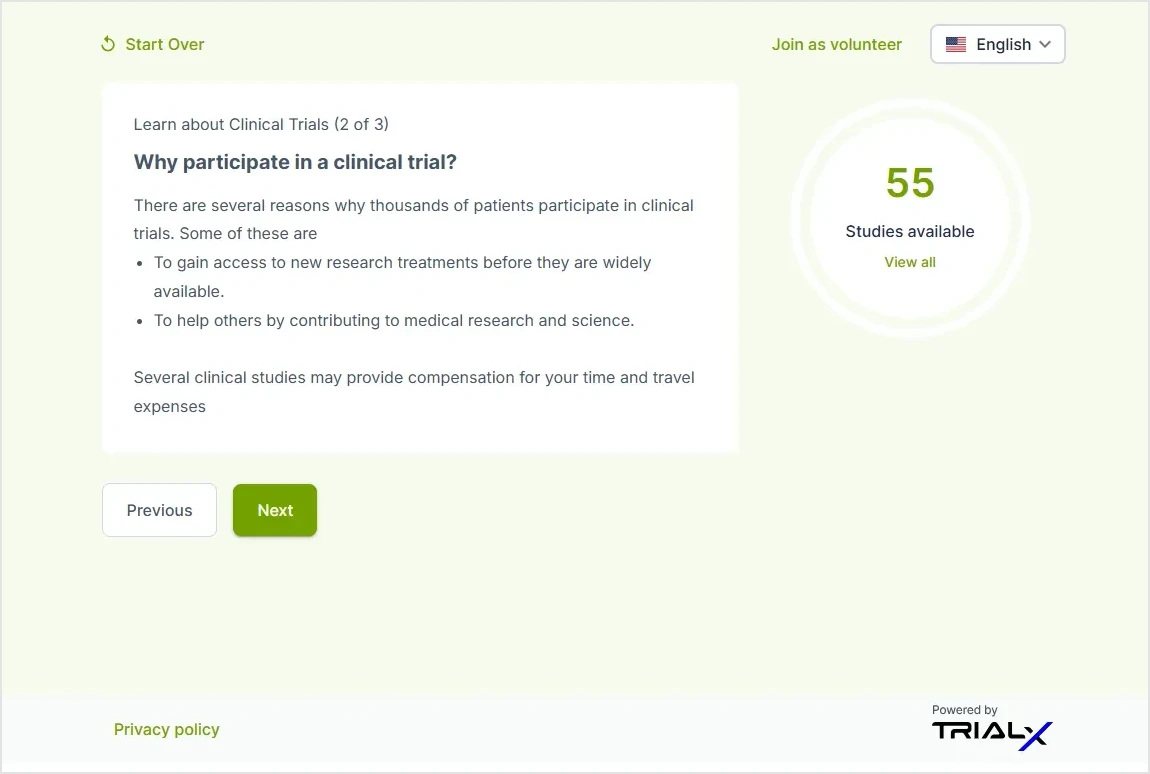
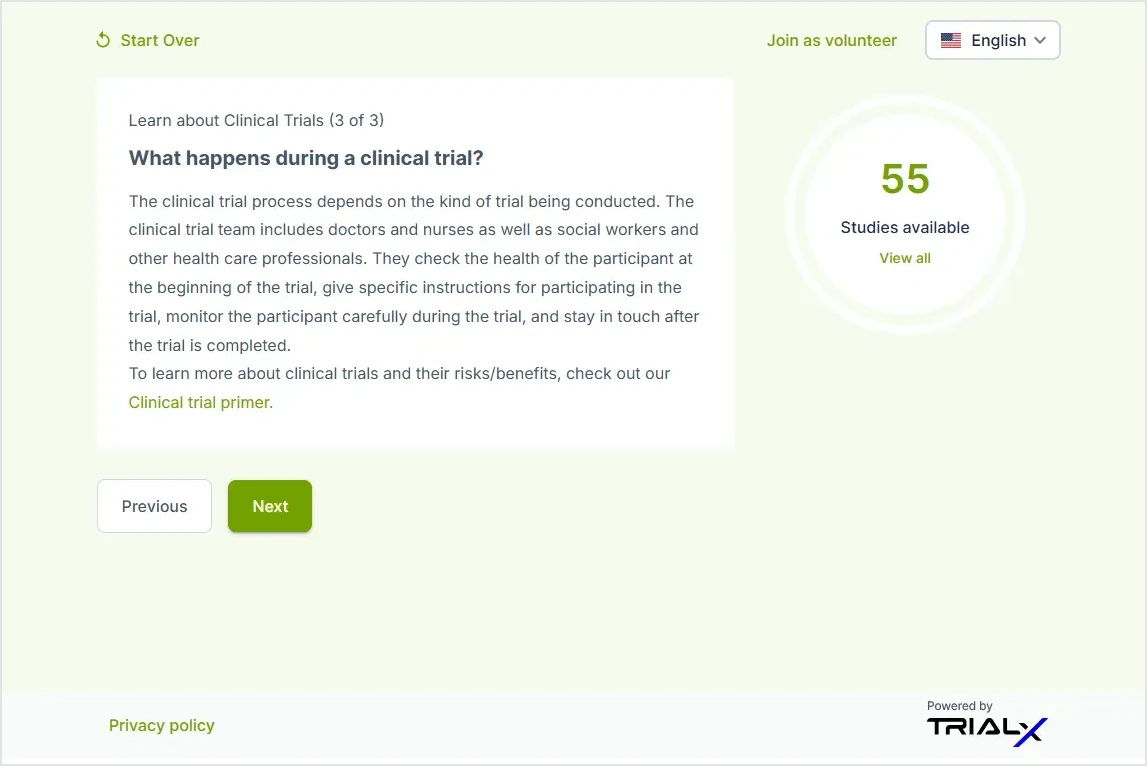
Users are then asked a few simple questions, such as location, age, and willingness to travel, along with a few additional details related to their condition and experience. Based on these inputs, the finder shows clinical trials that may be relevant.
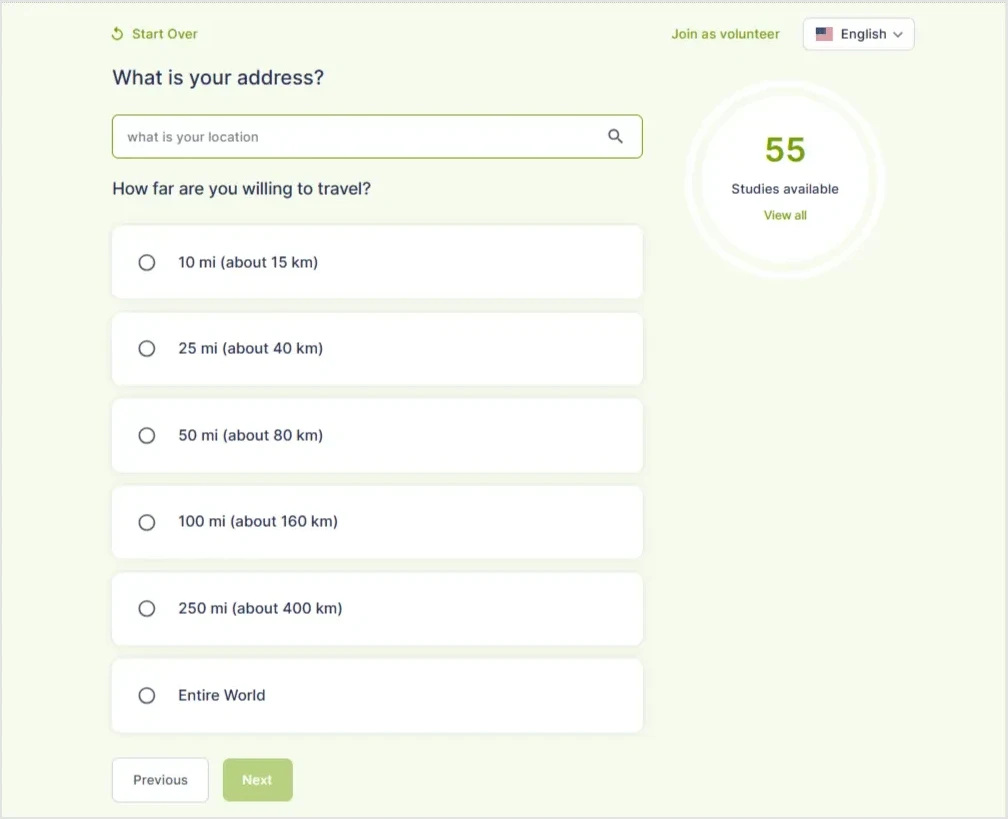
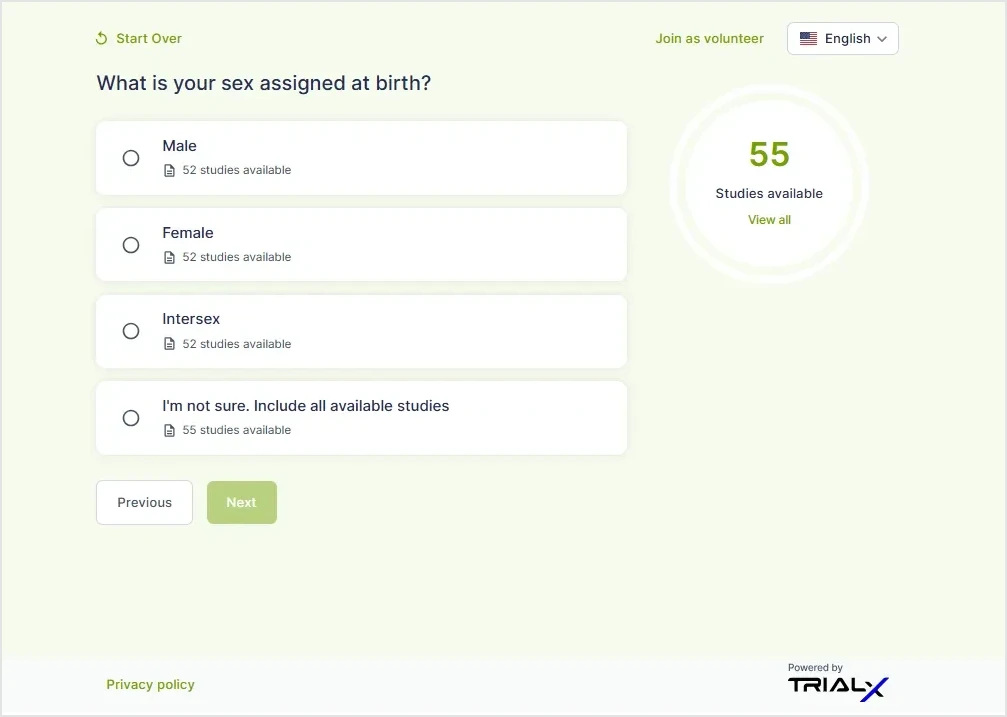
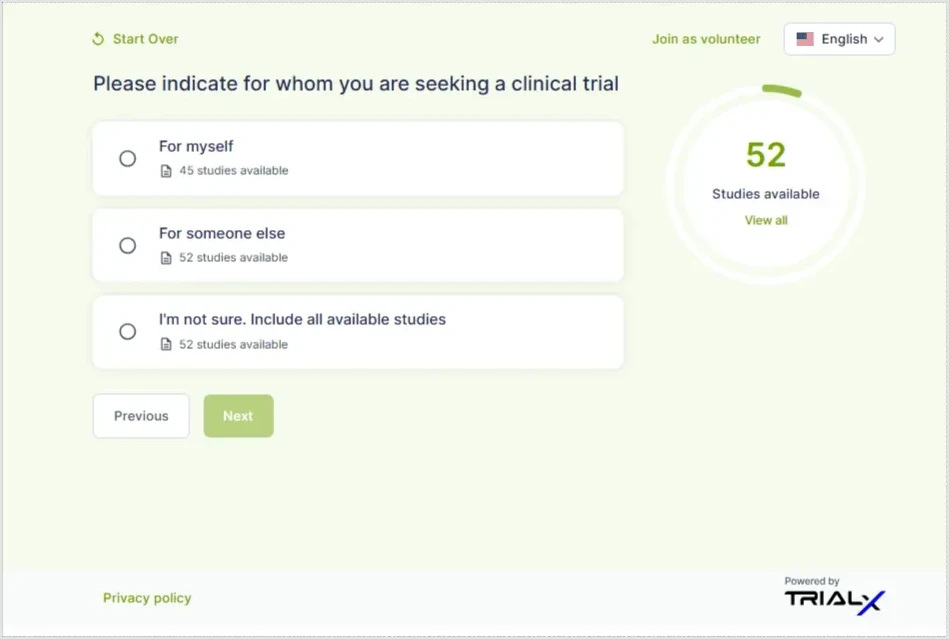
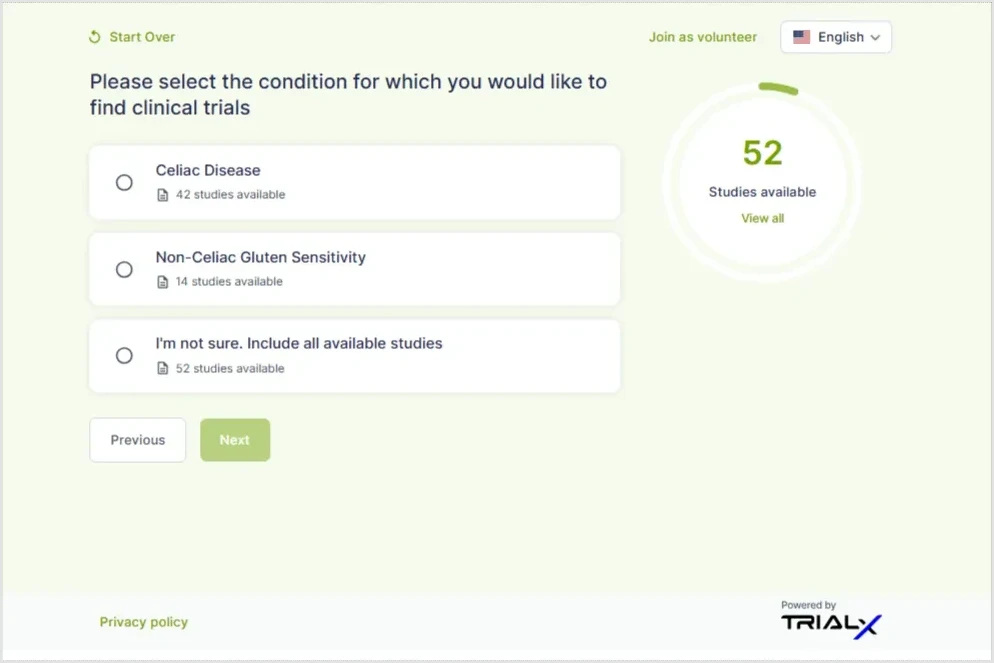
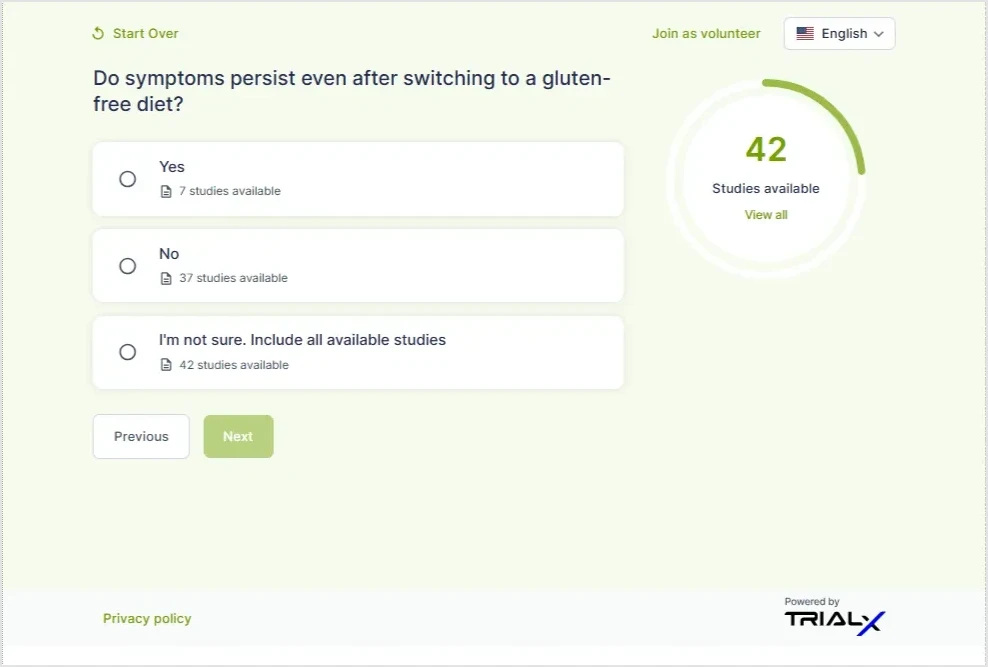
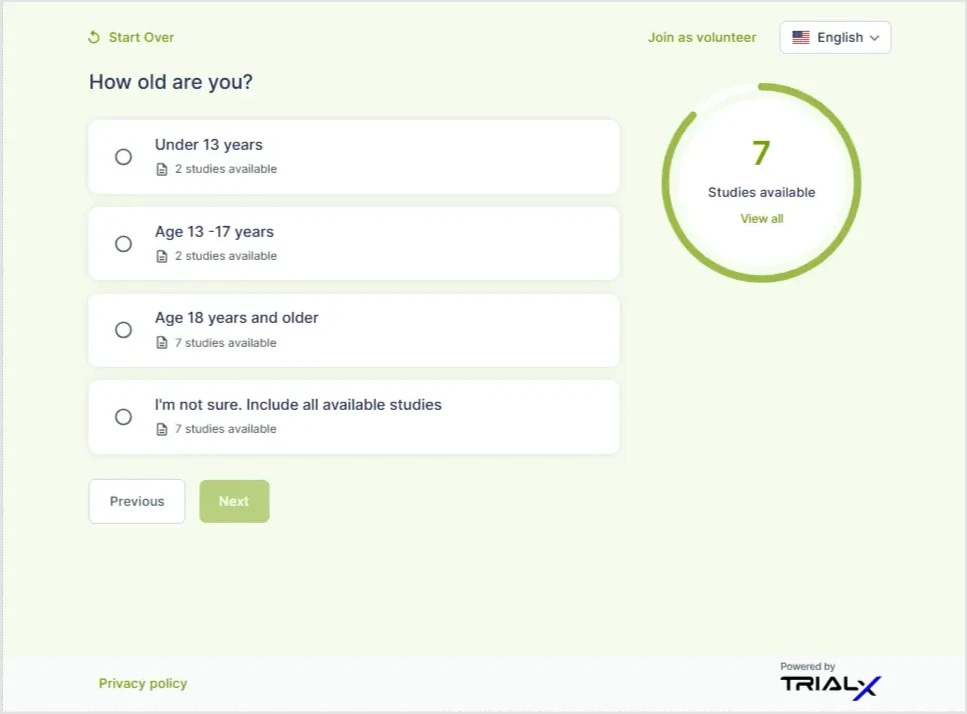
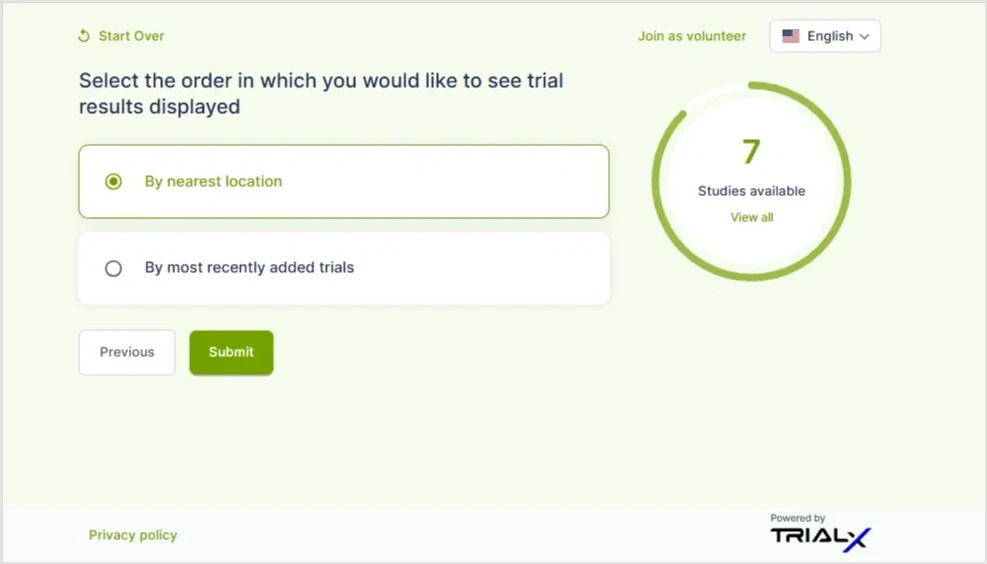
This approach is designed to support people who may be new to clinical research and want a clearer, more guided way to get started.
Search On Your Own: Browse Available Clinical Trials
For those who prefer to explore independently, the trial finder also offers a Search on Your Own option, giving users more control to browse and compare studies at their own pace.
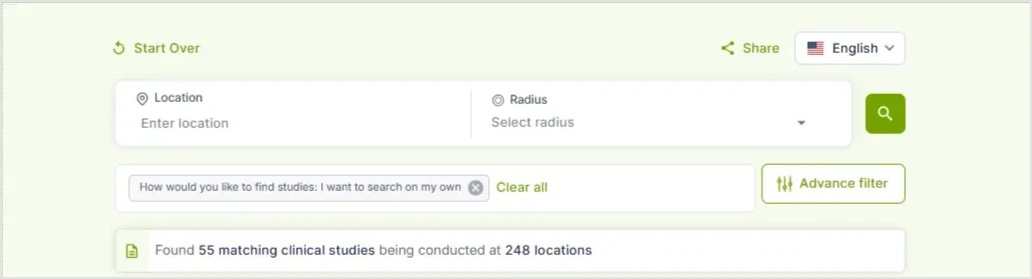
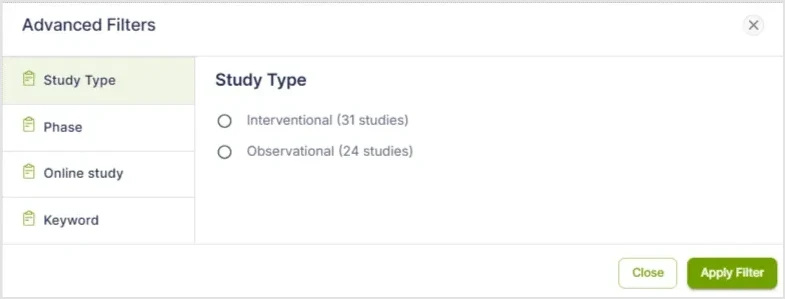
Users can view available celiac disease studies and apply filters, including:
• Location
• Study type
• Trial phase
• Online or remote participation options
• Keywords
This option is particularly useful for patients who already have some familiarity with clinical research, or who are looking for studies related to specific celiac complications or co-occurring conditions.
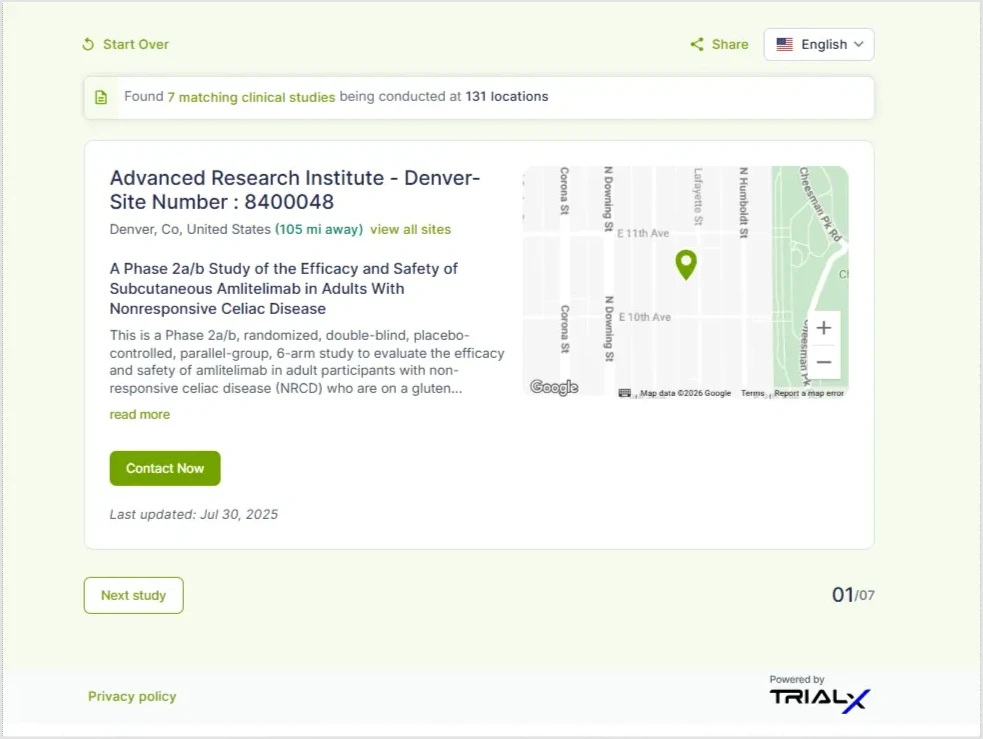
Clear contact options are included throughout, allowing individuals to reach out to study teams directly if they want to learn more about a specific trial.
Talk to a Patient Navigator
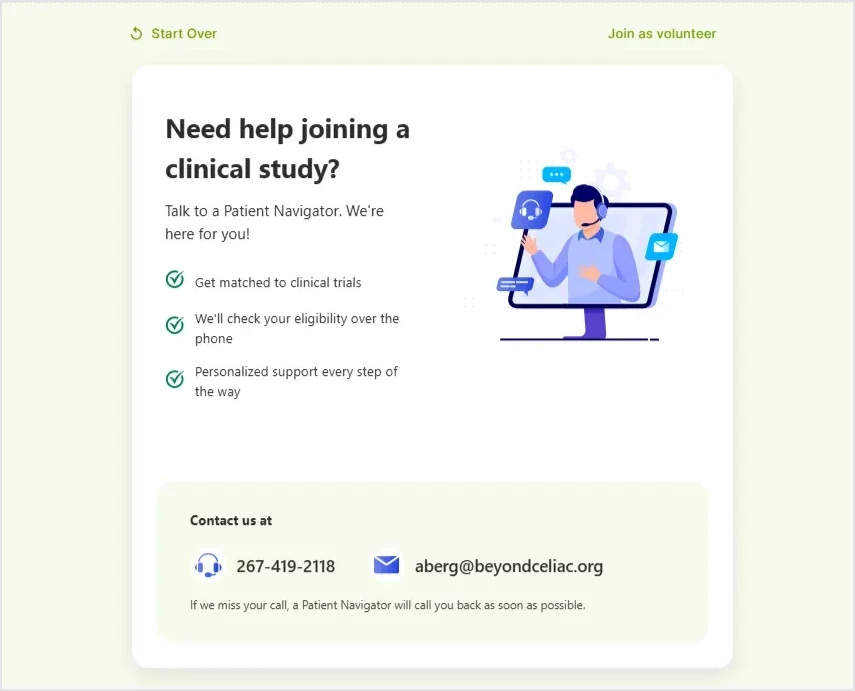
For those who need additional personalized support, the trial finder also connects users with a dedicated Patient Navigator. They can help answer questions, explain study details, and review potential options based on individual needs. They also assist in understanding eligibility and next steps. This option is available for people who want a bit more guidance while exploring clinical trials.
A Few Ongoing Celiac Disease Clinical Trials Currently Recruiting
- A Biospecimen Collection Study to Identify the Targets of Disease-Reactive T Cells in Patients With Autoimmune Disease
Sponsor: TScan Therapeutics, Inc.
This observational study focuses on understanding how the immune system behaves in people with autoimmune diseases, including celiac disease, ulcerative colitis, Crohn’s disease, multiple sclerosis, scleroderma, and ankylosing spondylitis. Researchers will collect tissue samples from affected areas of the body, along with blood samples, to study T cells—immune cells involved in driving inflammation and disease activity.
The goal is to identify the specific targets that these T cells react to, which may help researchers better understand how autoimmune diseases develop. Over time, these findings could support the development of more targeted and personalized treatment approaches.
Locations: Recruiting at multiple sites across the United States, including California, Illinois, Kentucky, Massachusetts, Pennsylvania, Rhode Island, South Carolina, Texas, and others.
Learn more about the study and see if you may be eligible to participate.
- GF-NOURISH (Gluten Free Nutrition Optimization Through Ultra-processed Food Reduction and Improved Strategies for Health)
Sponsor: Boston Children’s Hospital
This study looks at how nutrition education can help children with celiac disease follow a healthier gluten-free diet. It focuses on reducing ultra-processed gluten-free foods and encouraging more natural food choices. Researchers will compare this approach with standard diet education. The study will also measure diet quality, body composition, and exposure to substances like arsenic over time.
Locations: Recruiting in Boston, Massachusetts, United States.
Learn more about the study and see if you may be eligible to participate.
- Celiac Disease Genomic Environmental Microbiome and Metabolomic Study (CDGEMM)
Sponsor: Massachusetts General Hospital
This observational study looks at how different factors—such as genetics, environment, gut microbiome, and metabolism—may contribute to the development of celiac disease in children at higher risk. It focuses on infants who have a first-degree relative with celiac disease, as they are more likely to develop the condition. Researchers will collect information over time, including diet, early-life exposures, and biological samples like stool and blood, to better understand how these factors interact. The goal is to identify patterns that may help predict, detect, or potentially prevent celiac disease earlier in life.
Locations: Recruiting in Boston, Massachusetts (United States) and Rome, Italy.
Learn more about the study and see if you may be eligible to participate.
- Immune Responses to Gluten
Sponsor: Boston Children’s Hospital
This study looks at how the immune system reacts to gluten in people with and without Celiac Disease. Participants will consume a single dose of gluten powder. Blood samples will be taken before and a few hours after to measure the immune response. The goal is to better understand how gluten affects the body.
Locations: Recruiting at sites in Boston, Massachusetts, and Aurora, Colorado, United States.
Learn more about the study and see if you may be eligible to participate.
- A First-in-human Study to Evaluate the Safety and Tolerability of HB-2121 as a Diagnostic for Celiac Disease
Sponsor: Nielsen Fernandez-Becker, Stanford University
This Phase 1 study is evaluating the safety and tolerability of HB-2121, a potential diagnostic agent for celiac disease, in adults. Researchers will also study how the drug is processed in the body by measuring its levels in the blood over time. Participants will receive a single oral dose of HB-2121 and will be monitored for 30 days. The study includes in-person clinic visits, remote follow-ups, lab tests, and short daily symptom tracking.
Locations: Recruiting at Stanford University, California, United States
Learn more about the study and see if you may be eligible to participate.
Explore Ongoing Celiac Clinical Trials
Autoimmune Awareness Month highlights the importance of awareness and participation in research. Increasing visibility and access to clinical trials helps move research forward and supports progress for the entire celiac community.
If you or someone in your family has celiac disease and would like to learn more about ongoing studies, the Beyond Celiac Clinical Trial Finder provides information on current research opportunities.